A Certificate of Insurance is a document issued by the university’s insurance provider verifying that approved production activities are covered under the institution’s insurance policies. Productions may need to provide this document to property owners, vendors, municipalities, or other outside parties before filming or conducting production-related activities.
Many locations and organizations require proof of insurance before granting permission for production activity to take place. The certificate helps demonstrate that the production has institutional coverage in place while supporting safer and more professionally managed relationships with outside partners and locations.
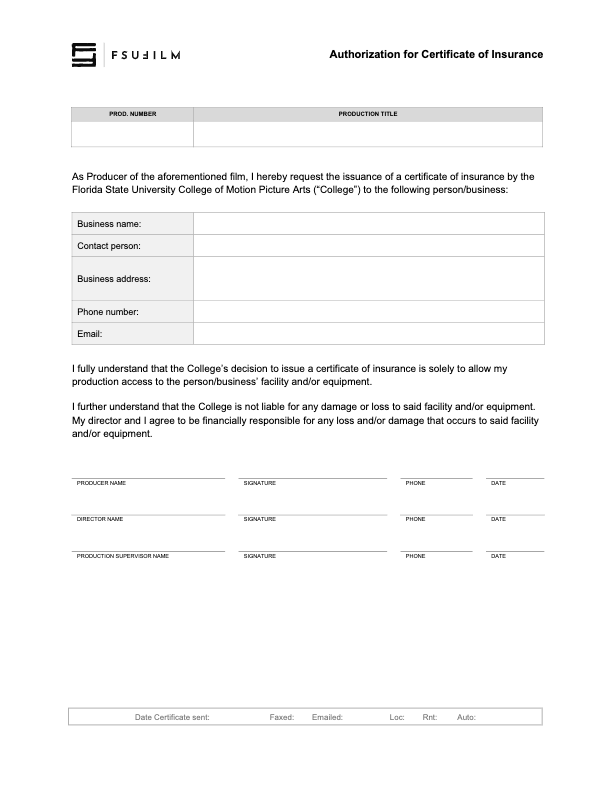
The Producer of a film should submit this form to the Head of Production to request the issuance of a Certificate of Insurance by the College of Motion Picture Arts to a business or individual that has requested one.
If the College issues a Certificate of Insurance, it is solely to allow access to the facility and/or equipment that the business or individual is offering the production. The College is not liable for any damage or loss to said facility and/or equipment. The Producer and Director will be financially responsible for any damage or loss to said facility and/or equipment.
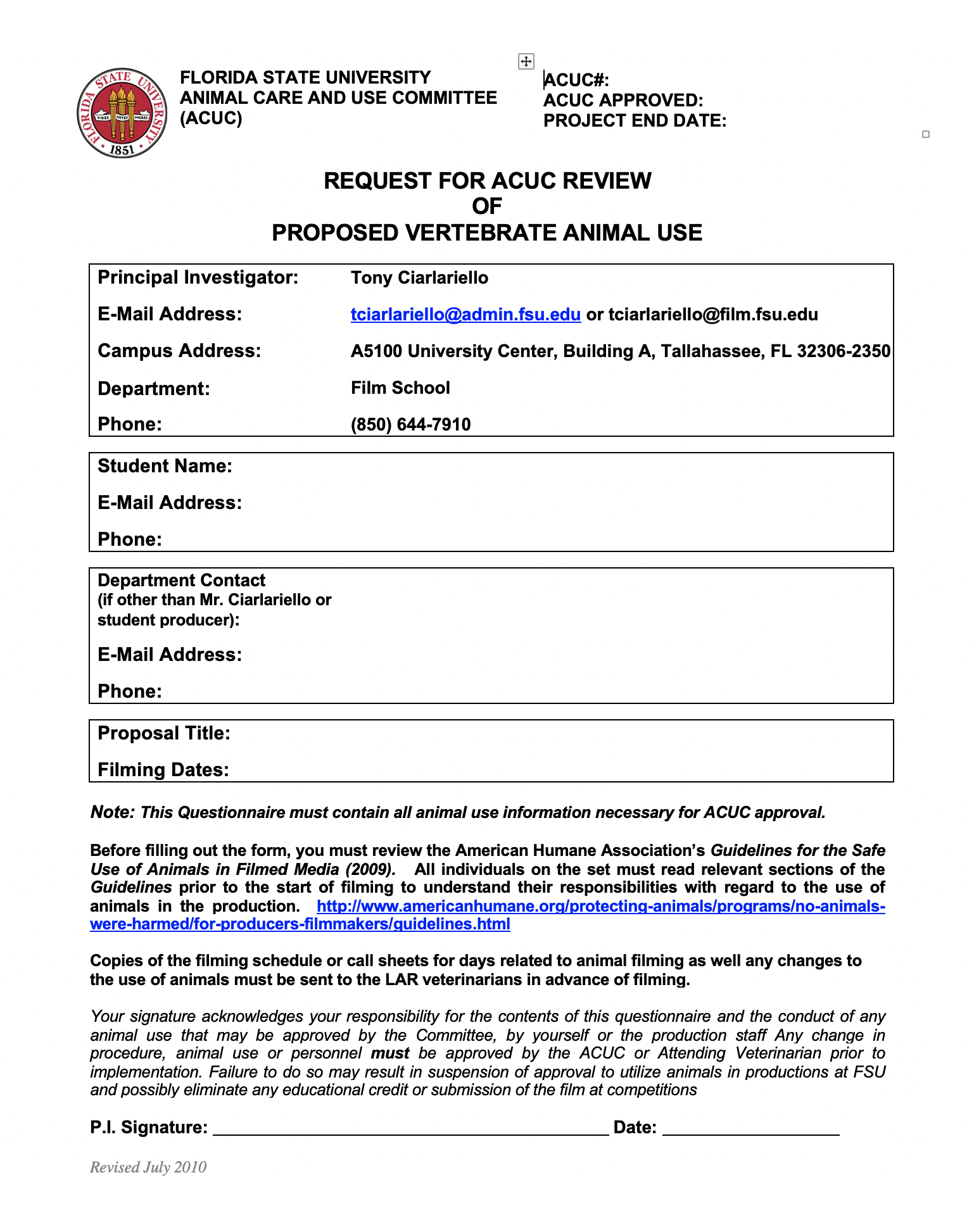
Productions wishing to include animals in filming activities must complete an Animal Use Request describing the proposed use of the animal, the conditions under which filming will occur, and the safety and handling procedures that will be followed during production. Approval comes from the FSU Animal Care and Use Committee.
Animals introduce additional safety, liability, scheduling, and welfare considerations that require careful review before approval is granted. The request process helps ensure that productions are planning responsibly, protecting the well-being of both the animal and the crew, and complying with university expectations regarding safe production practices.
FSU Animal Care and Use Committee
Producers are required by Florida State University policies to file a request for review of animal use on the production by the FSU Animal Care and Use Committee (ACUC).
Approval is required by federal regulation, but it also enhances the relationship of FSU with the public, demonstrating to the public that the University is concerned with all use of animals by the University community.
This request must be submitted well in advance of the start of the production, as it will usually take a number of weeks for a request to be approved. If a production does not receive approval from the ACUC in time for production, the use of an animal is not permitted.
Should a production require ACUC approval, ACUC requires that the ACUC Film School Protocol Form and a PDF of the script (highlighting the parts that contain animals) be submitted at least two weeks prior to any animal use. This will permit the Committee to perform its federally mandated oversight function to ensure University compliance with Federal regulations. Students are strongly encouraged to allow for more than two-weeks of turnaround time, in case delays occur or revisions are needed. Again—if the request is not approved in time for production, the use of an animal is not permitted.
The application is submitted to the ACUC Coordinator in the Department of Laboratory Animal Resources (LAR) office. The ACUC Coordinator then forwards a copy of the protocol to the LAR veterinarians for a pre-review. These individuals conduct a preliminary review with an eye to helping eliminate any stumbling blocks to approval by the full Committee. Suggested modifications and questions are provided to the person that has filed the protocol. The LAR staff is available for consultation and is often able to assist with locating animals suitable for the productions.
If last minute modifications to the production are necessary following approval, students are required to contact one of the LAR Veterinarians for approval prior to making any changes. The LAR Veterinarian will then report on the modification at the next ACUC meeting.
On occasion projects request the use of animal tissue rather than live animals. These productions/projects also must be reviewed by the FSU Animal Care and Use Committee for reasons related both to public concern over source and health reasons related to the handling of animal parts. Individuals should follow the above instructions for protocol submission. Also, individuals should be aware that certain precautions are necessary when handling animal carcasses or tissue.
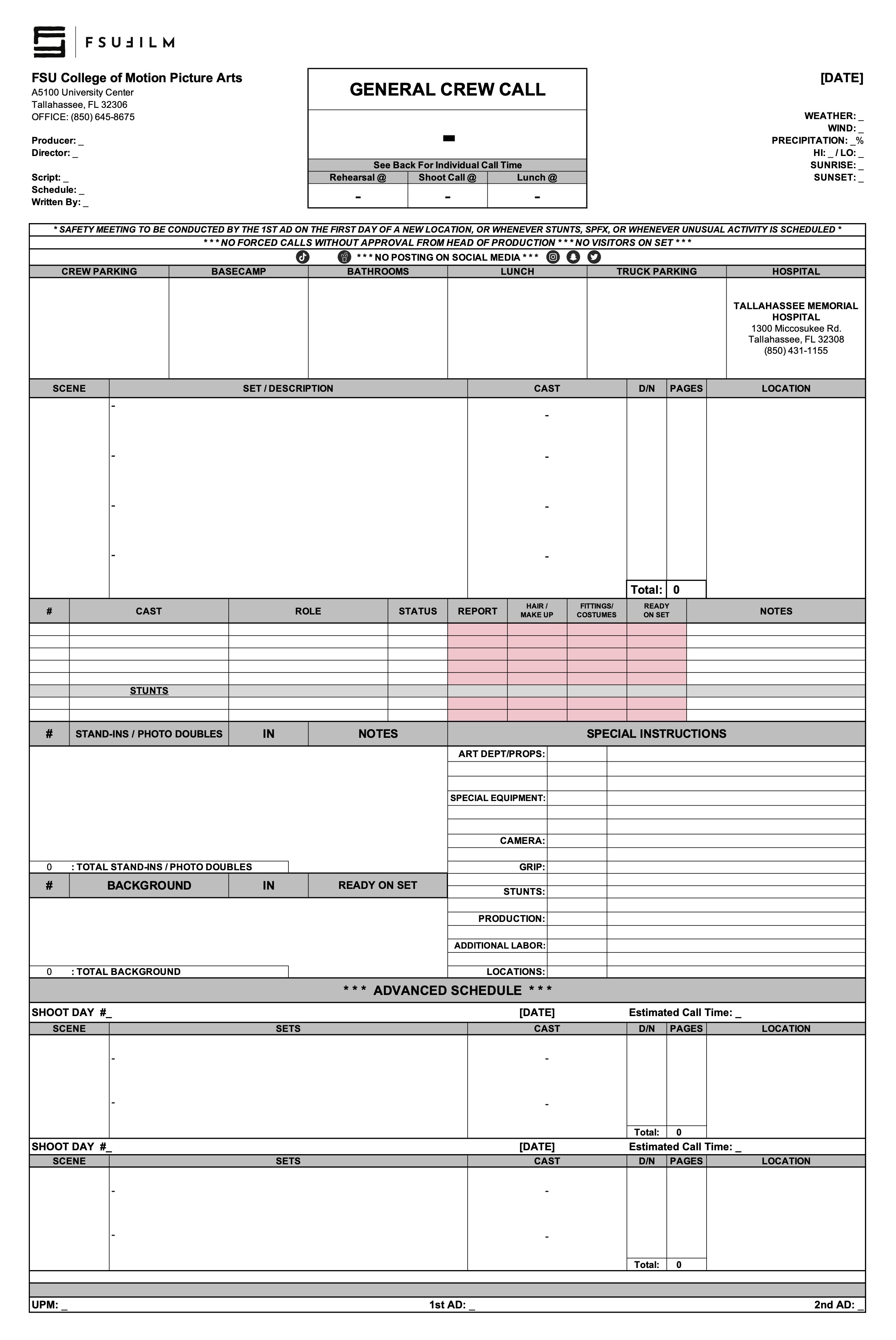
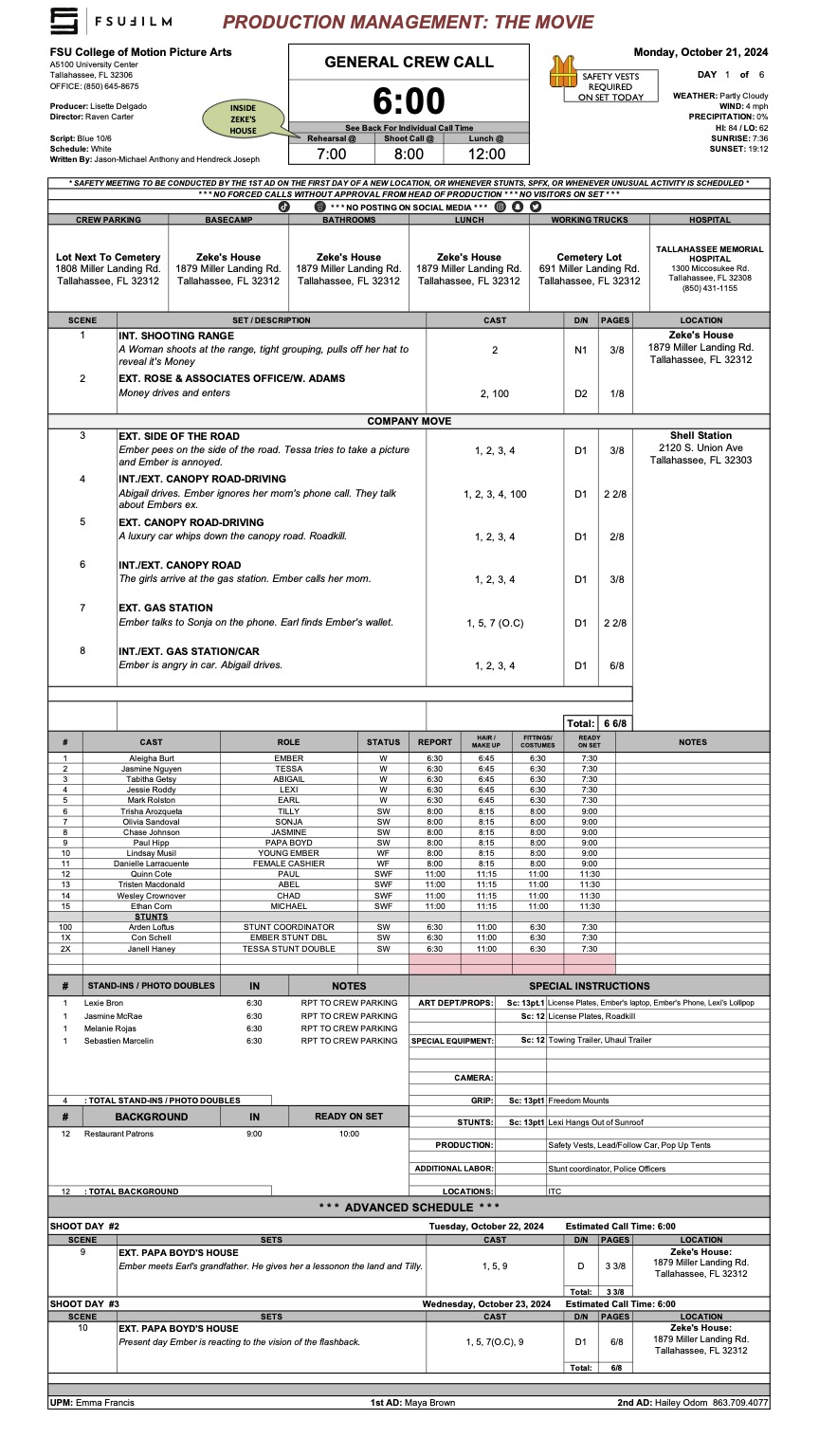
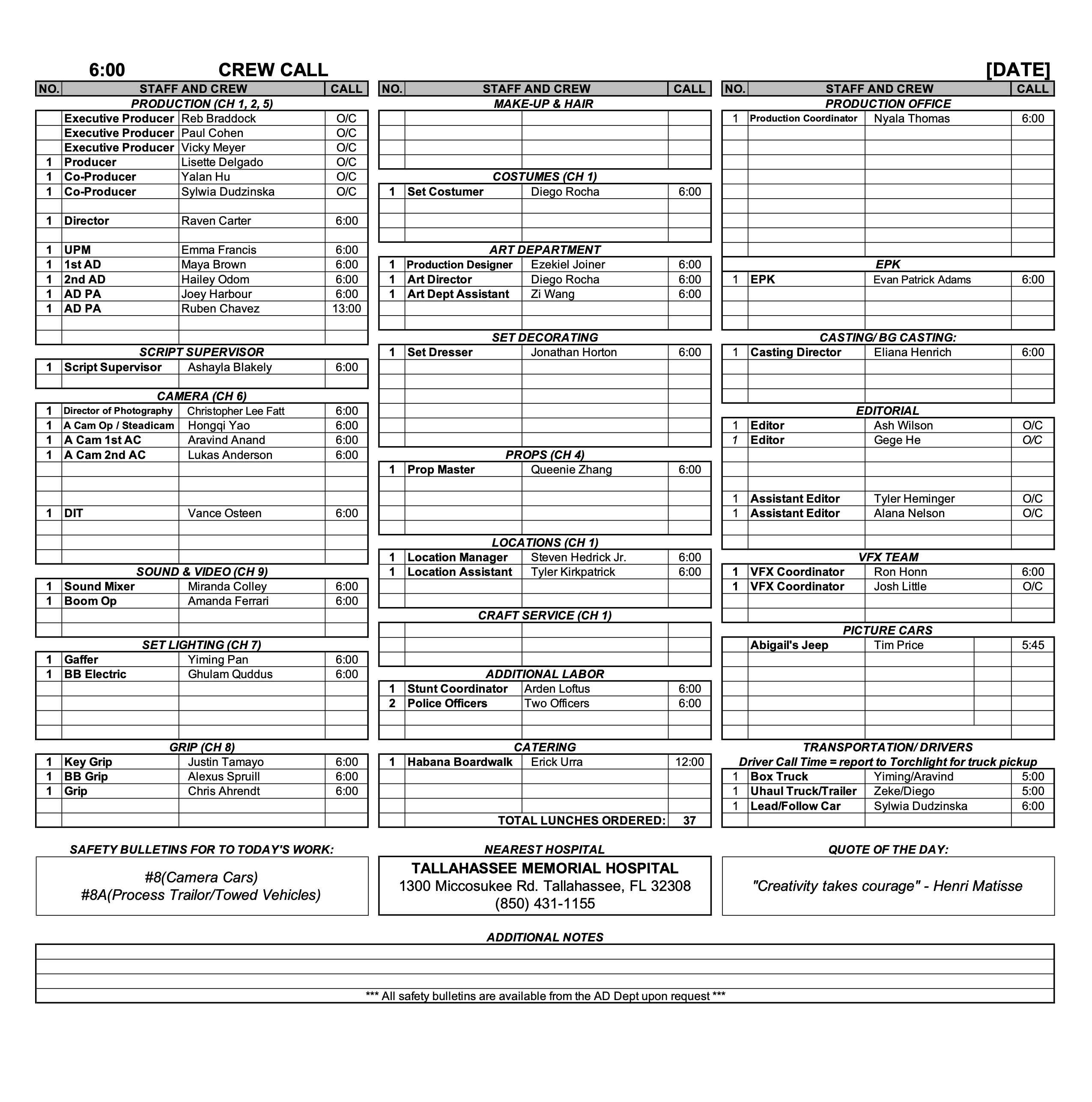
A call sheet is the primary daily production document used to communicate the schedule, locations, crew call times, cast information, scenes to be filmed, logistical details, safety notes, and other operational information for an upcoming shoot day.
Clear and accurate call sheets are essential because they serve as the central communication tool that keeps productions organized and aligned from day to day. Well-prepared call sheets help reduce confusion, improve coordination between departments, support safer production operations, and allow cast and crew to arrive properly prepared for the work ahead.
The purpose of the call sheet is to provide all the pertinent information about the next day’s production. The Second Assistant Director is responsible for distributing a PDF of each day’s call sheet to the cast, crew, faculty, and FSU police. If the production does not have a dedicated Second Assistant Director, the First Assistant Director or Producer shall assume the responsibility.
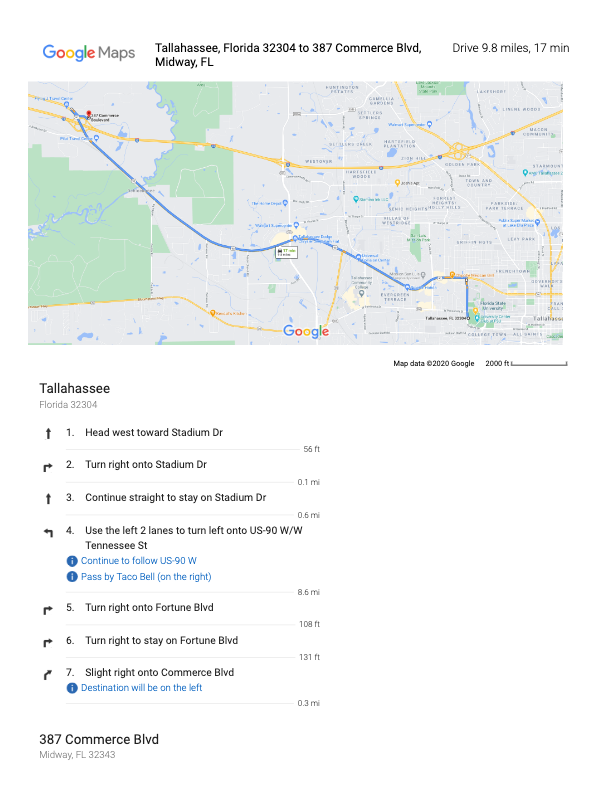
Call sheets, along with any relevant additional information such as maps or safety bulletins, must be distributed no later than 12 hours before call time on the first day of production and no later than the previous day’s company wrap for all subsequent days. It is important to thoroughly check — and double-check — and triple-check — that all the information in the call sheet is correct before it is sent out, because the distribution of revisions can create confusion.
MESSAGING
Call sheets should be distributed with a subject line that follows this naming convention: 01f3-Film Title - Call Sheet - Day 1
You may include a brief, executive summary of important information in the body of the message, but this should not be a substitute for providing all relevant information in the call sheet itself.
Call sheets must be distributed in two ways:
Post call sheets (and any relevant maps and safety bulletins) to the “Call Sheets” channel in Teams. This is for your instructors and assigned crew.
Email call sheets to your cast, POL-PDSupervisors@fsu.edu (FSU Police), and any other relevant parties who need the call sheet.
Sample Call Sheet
Update accordingly for subsequent days. For instance, you no longer need to introduce yourself after day 1.
_________________________________________
SUBJECT: 01f3-Film Title – Call Sheet – Day 1
Hello 01F3 Team!
We hope everyone is excited to get working on, (“Film Title”), directed by (First Last Name).
My name is (First Last) and I am the (Position) for this film. I will be sending out call sheets, location directions, and general information each day of the shoot. When you arrive on set you will sign in with me and you will check out with me at the end of your day.
Attached are the call sheet, location info and parking instructions for tomorrow. Note, the location is approximately ## minutes away from the film school. Depending on your departure location, please plan accordingly. If you are part of a carpool, please ensure you allow extra time for pick-ups and drop-offs.
*Please read the call sheet thoroughly for specific information.
*Please arrive at least 15 minutes prior to your call time to ensure you have time to park and check in with me on time.
CREW CALL: 7:00AM
CAST CALL: See Below
(First Last) your call time is 7:45 AM
(First Last) your call time is 8:15 AM
FILMING LOCATION
Address: #### Somewhere St, City, FL, Zip
*Insert Google Maps Link here.
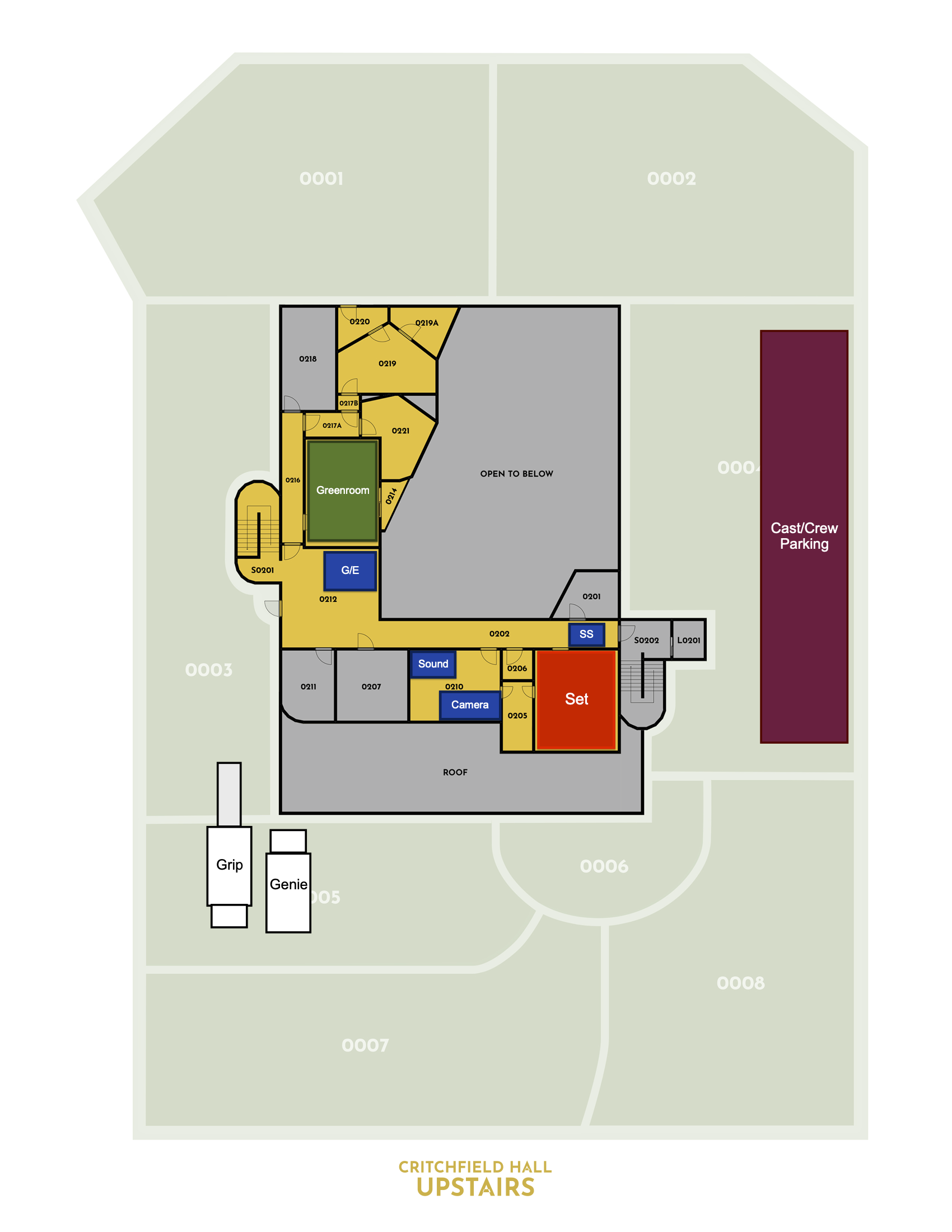
CREW/CAST PARKING
Add VERY specific instructions for parking here.
TRUCK PARKING
Add VERY specific instructions for parking here.
LOCATION NOTES
(Sample) Please DO NOT WALK ON THE GRASS. This is a specific request from the location owner.
(Sample) Dogs on site (they will be contained)
(Sample) Please keep exterior noise to a minimum.
DOCUMENTS ATTACHED TO EMAIL
-Call Sheet
-Location Map
-Location Parking Diagram
-Safety Bulletins: #5, #10
If you have any issues getting to set, or any questions whatsoever, please do not hesitate to call my number below.
This resource is intended for property owners and representatives considering allowing a student production to film at their location. It explains the general nature of the production process, what filming activity may involve, and how productions coordinate logistics, scheduling, insurance, and location agreements.
Thank you for considering allowing one of our students to use your property as a filming location. Each year, our students create nearly 200 films, and your generosity makes this possible. We value your time and support, and we are committed to maintaining the highest standards of professionalism, safety, and respect for your property.
WHAT TO EXPECT
How many people will be on site?
A typical student film crew includes 12-15 students, plus actors and possibly a few additional volunteers. Please feel free to ask the student for a specific headcount of crew, cast, and support personnel.
What will they bring?
Film productions require various equipment, including cameras, lights, sound gear, stands, cables, sandbags, rigging, dollies, and sometimes generators. Our students are trained to handle this equipment safely. They will confirm with you in advance where vehicles (trucks and cars) can be parked and where equipment can be staged.
How long will they be here?
A standard shoot day is up to 12 hours, plus a one-hour lunch break. Crews typically arrive about 30 minutes before the official start time and take an additional 30 minutes afterward for cleanup and packing. Students may also visit the location on separate days for planning, tech scouting, or set dressing. They will confirm with you in advance the start and end times for each prep and shoot day.
Location agreements
If you choose to allow the use of your property, here’s what to expect in terms of paperwork:
Script Review
The student will provide a copy of the script and answer any questions about the project, including sensitive content.
Location Shooting Plan Agreement
Together, you and the student will complete an agreement which outlines:
The specific spaces they will use.
Where vehicles may park.
Access times.
Any special conditions or restrictions you’d like to include.
Location Agreement
This legal document grants permission to use your property and waives your liability in the event of a student injury during production.
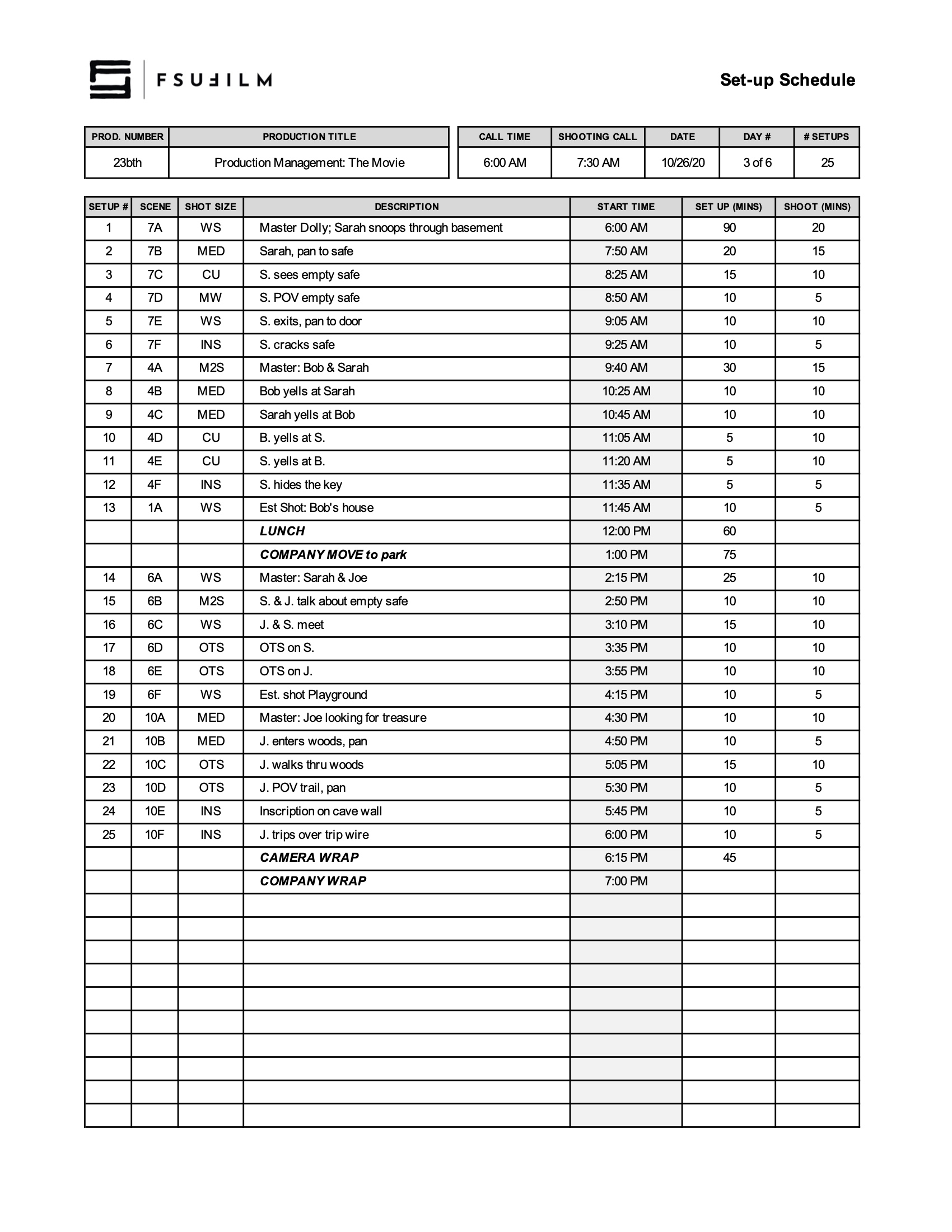
The set-up schedule outlines the planned timing and workflow for preparing and shooting each set-up throughout a given production day.
Careful setup planning is important because productions rely on efficient coordination between departments before cameras begin rolling. Structured setup schedules help reduce delays, improve communication, support safer working conditions, and give crews a clearer understanding of how production operations are expected to unfold throughout the day.
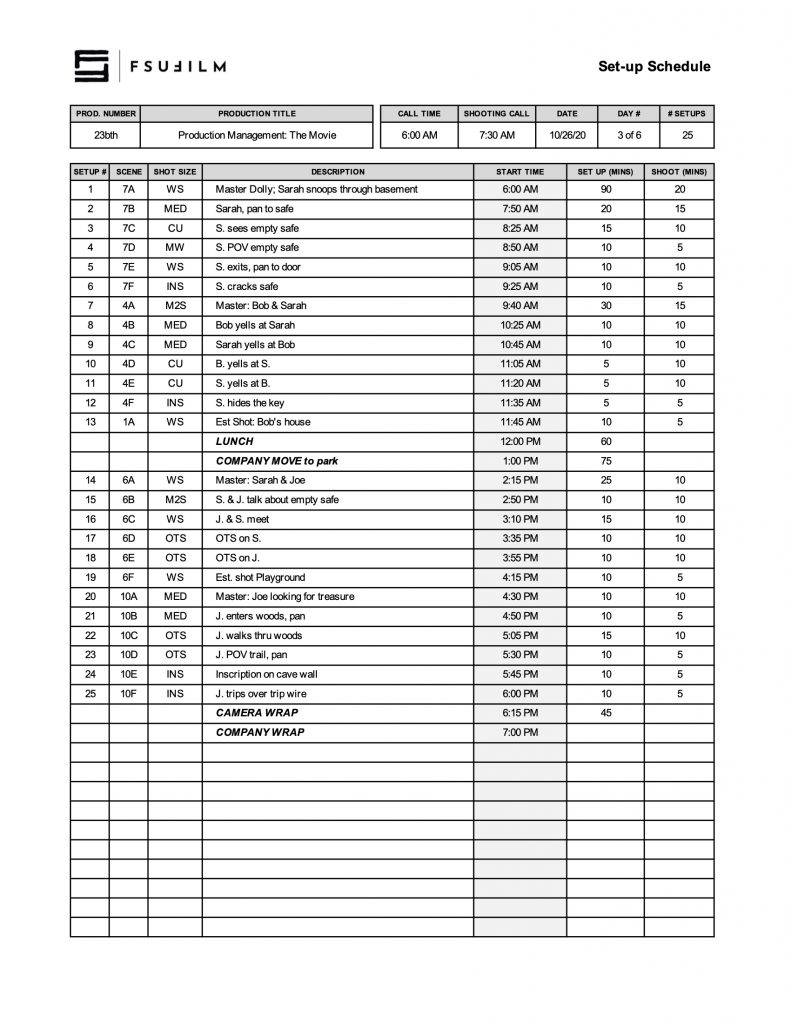
After the Director and DP have created a provisional shot list, the 1st AD will meet with the Director and DP to schedule the order of shots for each day. Using this Set-up Schedule, the shots should be listed in the order you intend to shoot them, including estimated times to set up and shoot each one.
Be sure to budget adequate time load-ins, load-outs, wraps, lunch, and any company moves.
SAMPLE SET-UP SCHEDULE
Here’s a sample of what the completed set-up schedule should look like:
The distant location approval process outlines the procedures, reviews, and planning requirements involved when an F2, FC, or MC production seeks permission to film outside the school’s designated studio zone. Approval is not approved automatically; it is a privilege to be earned.
Because distant locations introduce additional logistical, financial, safety, equipment, transportation, and scheduling complexities, these productions require more extensive review and preparation before approval can be granted. The process helps ensure that productions have developed realistic plans and can responsibly manage the added demands associated with distant-location filming.
INSTRUCTIONS
BFA and MFA capstone productions may request permission to film at a distant location outside the studio zone. Because distant productions place additional demands on equipment, personnel, and university resources, approval is not automatic. It is a privilege granted only to productions that demonstrate careful planning, logistical readiness, and a safe, realistic production plan.
An explanation of why the location is creatively and/or logistically necessary.
A production schedule showing all travel days, drive times, and shooting days.
A transportation, lodging (if required), and meal plan and budget for the cast and crew.
A transportation, lodging (if required), and meal plan and budget for the assigned faculty member.
A plan for transporting, parking, securing, and maintaining school vehicles and equipment.
A contingency plan if critical production equipment becomes inoperable.
A production timeline showing key logistical deadlines.
A viable local backup plan if the request is denied or the location becomes unavailable.
Travel Times
As a general guideline, distant locations should be within approximately 2.5 hours (each way) of the College of Motion Picture Arts.
Travel time counts as part of the production day and reduces the available filming time in accordance with the program’s production day policies. For example: A production travels to a location that’s 90 minutes away and returns the same day. In the morning, any travel in excess of 30 minutes counts against the 12-hour work day. The same is true for the return journey at the end of day. Therefore, there’s 60 minutes in the morning and 60 minutes at the end of day (120 minutes total) that need to be deducted from the available shooting time that day.
Overnights
Depending on the travel distance and production schedule, the Head of Production may require overnight lodging for cast and crew. When overnight accommodations are required, the production is responsible for providing appropriate lodging and all required meals—including breakfast, lunch, and dinner as dictated by the approved schedule.
Expenses
The production budget should include all anticipated travel-related expenses, including fuel, parking, tolls (where applicable), drinking water, and other essential crew supplies.
All additional costs associated with an approved distant location are the responsibility of the production. The College of Motion Picture Arts does not provide funding beyond the standard production resources allocated to all productions.
Deadlines & Approvals
Requests should be submitted as early as possible during development and pre-production, and no later than two weeks before the first day of principal photography.
Distant location requests are reviewed by the Head of Production in consultation with the Head of Set Operations and the cycle faculty. The Head of Production has sole authority to approve, deny, or conditionally approve a request. Any conditions attached to an approval are mandatory, and the Head of Production’s decision is final.
Approval of a distant location does not constitute approval of the production plan. The Head of Production may require revisions to schedules, lodging, transportation, staffing, budgets, or other logistical arrangements as a condition of approval. Failure to meet the approved production timeline for the show may result in permission being revoked.
Attendance and punctuality expectations apply to all production, classroom, meeting, and program-related activities throughout the curriculum. Students are expected to arrive on time, remain engaged, communicate proactively about conflicts, and fulfill their responsibilities consistently within collaborative production environments.
Reliable attendance is especially important in filmmaking because productions depend heavily on teamwork, coordination, and shared responsibility across tightly scheduled workflows. Missed calls, late arrivals, or inconsistent participation can significantly affect the work of others, the costs of the production, and the overall success of a project. We take this very seriously at the film school, to foster the professional work ethic that’s a signature of FSUFILM alumni.
Attendance policy
Attendance is mandatory. Roll will be taken at the start of each class and, during principal photography on film productions, students will be required to clock in and out at the start and end of the work day.
Each late appearance results in the loss of third a letter grade from the student’s final grade for the course (A becomes A-, B+ becomes B, etc.). Failing to attend class, or arriving more than 30 minutes late, is counted as an absence. Unexcused absences result in the loss of a full letter grade from the student’s final grade (A becomes B, B becomes C, etc.).
Excused absences
Missing class is acceptable only if permission to miss class is approved by the instructor prior to the absence or if the excused absence is covered by the University Attendance Policy, which includes documented illness, deaths in the family and other documented crises, calls to active military duty or jury duty, religious holy days, and official University activities. These absences will be accommodated in a way that does not arbitrarily penalize students who have a valid excuse. Special consideration will also be given to students who have dependent children or serve as caregivers. Students are responsible for making up all work that is missed due to absence, and for contacting the professor to determine appropriate make-up assignments or activities. Failure to do this will result in the absence being considered as unexcused.
It is very likely that your friends will get married, your family will have anniversaries or other gatherings, or your films will get into festivals during your enrollment in the College. We understand the importance these events and your desire to attend. Whenever possible and with sufficient notice, the administration will try to adjust the schedule to accommodate the most important of these events. The earlier you can inform your instructors and the Assistant Dean for your program, the more likely it is that we’ll be able to make it work. Sometimes, however, it simply is not possible, and you will have to apologize to your loved ones and miss the event. We try very hard to work with you, but it is a condition of enrollment that you attend required film school activities, regardless of outside occurrences. This is because it can cause significant negative ramifications on your own education and that of your classmates if you do not show up for work when required; e.g., you may miss an important safety class or you may leave a production missing a vital crew member.
If you book travel or otherwise commit to an activity without requesting approval in advance, the absence will not be excused. A grade penalty will be issued for any missed classes or production days, as defined in each course’s syllabus, and you may be placed on professionalism probation for unreliability and failing to communicate in a proactive manner.
Students wishing to participate in outside employment, clubs, and courses, or attend special events like film festivals and weddings, are required to follow program guidelines regarding scheduling and approval. This is to ensure that there will be no conflicts with academic or production responsibilities.
Because the program operates within a demanding and highly collaborative production structure, outside commitments can sometimes interfere with coursework, crew obligations, or required production participation. These guidelines help students balance professional development opportunities with their responsibilities to the program while reinforcing expectations related to communication, reliability, and time management.
How the Approval Process Works
In order to be able to maintain the organic schedule required for our classes and productions, students enrolling in the College must be willing to make a 24/7 commitment to the program. This does not mean that students cannot engage in activities outside of the film school — such as holding a job, joining a club, or taking a non-film course — but it does mean that film school activities need to always take priority.
If you’re unsure about whether or not an outside activity would be feasible, please contact the Assistant Dean of your program for advice. In general:
An outside activity that requires a student to be somewhere else on a set schedule (e.g., a job with fixed hours or a non-film course with regular meeting times each week) will typically not be approved, because conflicts with the film school schedule will likely occur.
An outside activity with a flexible schedule (e.g., a job where you set your own hours or an asynchronous online class) is less likely to be a problem, so long as the student can demonstrate that they will be able to successfully manage both their film school work and the outside activity.
Note that any approval for outside activity is contingent upon the student maintaining a good academic and professionalism standing. If any outside activity interferes with a student’s film school responsibilities, approval may be revoked and the outside activity must cease.
Outside employment
Any outside employment must be approved in advance by the Assistant Dean of your program. This is for several reasons:
To ensure that the required hours for the job will not conflict with film school activities.
To ensure that the student is accurately assessing the cumulative workload of school and job responsibilities.
To ensure that the outside employment does not create any HR conflicts, since all students are also hired by the college as technicians or graduate assistants.
Any student wishing to participate in outside employment is required to submit a request form for approval: https://wkf.ms/47o8jfO.
This form must be submitted prior to accepting a position, and should be resubmitted at the start of each semester for any employment that continues across semesters.
Clubs and outside courses
Participating in clubs and organizations is encouraged, but film school obligations must take priority. For example, if a club meeting happens at the same time as a required school activity, the club meeting cannot be used as an excuse for missing the school activity.
In most semesters, taking an FSU course outside of the film school will not be possible, as it will create schedule conflicts. If there is an outside course that you want (or need) to take, it must be approved by both the Assistant Dean of your program and the college’s Academic Advisor.
It is very likely that your friends will get married, your family will have anniversaries or other gatherings, or your films will get into festivals during your enrollment in the College. We understand the importance these events and your desire to attend. Whenever possible and with sufficient notice, the administration will try to adjust the schedule to accommodate the most important of these events.
The earlier you can inform your instructors and the Assistant Dean of your program, the more likely it is that we’ll be able to make it work. Sometimes, however, it simply is not possible, and you will have to apologize to your loved ones and miss the event. We try very hard to work with you, but it is a condition of enrollment that you attend required film school activities, regardless of outside occurrences. This is because it can cause significant negative ramifications on your own education and that of your classmates if you do not show up for work when required; e.g., you may miss an important safety class or you may leave a production missing a vital crew member.
If you book travel or otherwise commit to an activity without requesting approval in advance, the absence will not be excused. A grade penalty will be issued for any missed classes or production days, as defined in each course’s syllabus, and you may be placed on professionalism probation for unreliability and failing to communicate in a proactive manner.
Film production in general does not stop to celebrate anything except its own wrap and premiere. Likewise, the College may require work through many traditional holidays. Generally both the BFA and MFA programs honor the University breaks between semesters, but there are sometimes exceptions to these as well. You can always check with the Assistant Dean of your program before making plans to make sure you will not miss anything.
The College honors the observance of religious holy days. In accordance with Florida State University policy, students must notify their instructor and the Assistant Dean of their program as soon as possible at the start of the semester, but not later than two weeks before the religious holy day observance, to be excused from class to observe a religious holy day of their faith. If the student fails to submit the necessary notification in the time specified, the College may be unable to make any accommodations.
This resource compiles public domain and Creative Commons materials that students may use when searching for music, images, footage, sound effects, or other media assets for productions and related projects.
Understanding public domain and Creative Commons licensing is important because productions must ensure that all third-party materials are being used legally and appropriately. Learning how to evaluate licensing terms, attribution requirements, and permitted usage helps students develop stronger professional practices related to copyright, rights clearance, and media sourcing within film production workflows.
Some Words of Caution
The Internet is a wonderful place for finding videos, images, motion graphics, clip art, music, and sound effects that can be used in your films.
Beware, however, that the Internet is also a terribly unreliable place and the burden of proof will fall on Producers to document that the production has the rights to use the materials, so that there’s a clear chain of title.
For works in the public domain, this can sometimes take a fair amount of research, as licensing information can be unclear, unreliable, or hard to track down. Any works published 95 years ago or earlier are now in the public domain. Any works published in the past 95 years should be assumed to be under copyright, unless otherwise confirmed. Be aware that new versions of works in the public domain — e.g., a New York Symphony Orchestra’s recent recording of Beethoven’s 9th Symphony — are copyrighted. In other words, while you could perform the composition yourself and be alright, you couldn’t use the New York Symphony Orchestra’s recording without clearing it first.
For Creative Commons work, some license types (such as “NoDerivs” and “ShareAlike”) are not compatible with the work we do. Productions are only permitted to use work licensed as “Attribution” or “Attribution-NonCommercial”.
Discover original artworks from a library of public domain books and chromolithographs. Art prints scanned and digitally enhanced into high resolution, available to download under the CC0 license.
Free vector images. Find the best royalty free vectors and illustrations for your design, with thousands of new images added every day. Download free backgrounds, graphics, clipart, drawings, icons, logos and more that are safe for commercial use.
Safety bulletins provide guidance, procedures, and recommended practices related to specific production hazards, equipment, environments, or activities that may arise during filmmaking—and they must be included alongside call sheets when relevant.
Because film production can involve physically demanding environments, technical equipment, transportation, electrical systems, weather exposure, stunts, weapons, animals, and other potential hazards, productions must approach safety proactively rather than reactively. Safety bulletins help crews identify risks earlier, develop safer working practices, and reinforce a culture of shared responsibility around production safety.
How They Work
The safety bulletins we utilize are researched, written, and distributed by the Industry-Wide Labor-Management Safety Committee for use by the motion picture industry. The committee is composed of guild, union, and management representatives active in industry safety and health programs.
Safety bulletins are recommended guidelines. They are not binding laws or regulations. State, federal, and/or local regulations override these guidelines. Modifications in these guidelines should be made, as circumstances warrant, to ensure the safety of the cast and crew.
A PDF of all relevant safety bulletins must be attached to call sheets. Be sure to download the most recent version of a safety bulletin before attaching one to a call sheet, as the Industry-Wide Labor-Management Safety Committee does update their bulletins periodically.
All crew are required to read distributed Safety Bulletins prior to commencing the work day. Failure to do so may result in disciplinary action, including immediate dismissal from the school.
Download Bulletins
To download the latest versions of the safety bulletins, click here:
A list of all the available Industry-Wide Labor-Management Safety Committee’s safety bulletins is outlined below.
Safety Bulletins
Recommendations For The Use Of Firearms, Blanks, And Dummy Rounds
Prohibitions And Special Restrictions On The Use Of Live Ammunition
Guidelines Regarding the Use of Helicopters in Motion Picture Productions
Addendum A – Helicopter External Loads
Stunts
Addendum A – Specialized Activities
Safety Awareness
Animal Handling Rules for the Motion Picture Industry
Recommendations For Diving Operations
Guidelines for Traditional Camera Cars
Addendum A – Process Trailer/Towed Vehicle
Addendum B – Camera Boom Vehicles
Addendum C – Power Line Distance Requirements
Recommended Guidelines for Working In and Around Base Camps
Addendum A – Base Camp Inspection Checklist
Guidelines Regarding the Use of Artificially Created Atmospheric Fog & Haze
Addendum A – Technical Awareness Sheet
Guidelines Regarding the Use of Fixed-Wing Aircraft in Motion Picture Productions
Addendum A – External Load Guidelines
Guidelines for the Use of Venomous Reptiles
Recommended Guidelines When Using Combustible & Flammable Fuels and Associated Equipment
Parachuting and Skydiving
Guidelines for Boating/Watercraft Safety for Film Crews
Recommended Guidelines for Safety with Pyrotechnic Special Effects
Water Hazards
Guidelines for Safe Use of Stunt Air Bags, Boxes or Other Freefall Catch Systems
Recommended Guidelines for the Use of Open Flame on Production
Guidelines for the Safe Use of Motorcycles
Guidelines for Appropriate Clothing and Personal Protective Equipment
Guidelines for the Use of Scissor Lifts (Elevating Work Platforms) and Aerial Boom Lifts (Extensible Boom Platforms)
Addendum A – Power Line Distance Requirements
Guidelines for Working with Portable Power Distribution Systems and Other Electrical Equipment
Addendum A – Power Line Distance Requirements
Addendum B – Basic Electrical Safety Precautions for Motion Picture and Television Off Studio Lot Location Productions
Addendum C – Working With 480 Volt Systems
Addendum D – Common Motion-Picture/Television Tasks and Associated Personal Protective Equipment
Addendum E – Guidelines for Meeting National Electrical Code (NEC) Grounding Requirements for Portable Generators Supplying Portable Equipment in the Motion Picture and Television Industry
California OSHA Safety Requirements for Handling of Blood and Other Potentially Infectious Materials
Camera Cranes
Addendum A – Power Line Distance Requirements
Preparing Urban Exterior Locations for Filming
Poisonous Plants
Guidelines for Railroad Safety
Guidelines for Safe Use of Hot Air Balloons
Addendum A – External Load Guidelines
Recommended Guidelines for Safely Working with Edged, Piercing, and Projectile Props
Safety Awareness When Working Around Indigenous Wildlife
Los Angeles County Approved Film Production Food Services
Addendum A – Los Angeles County Approved Film Production Food Services
Special Safety Considerations when Employing Infant Actors (15 days to Six Months Old)
Guidelines for Working in Extreme Cold Temperature Conditions
Addendum A – Wind Chill Chart
Safety Considerations for the Prevention of Outdoor Heat Illness
Recommended Guidelines for Safely Working Around Unmanned Aircraft Systems (UAS) a.k.a Drones
Appendix A – Federal Aviation Administration (FAA) Rules & Regulations
Vehicle Restraint Systems – Seat Belts & Harnesses
Guidelines For Inclement Or Severe Weather
Appendix A – Lightning Safety
Safety Guidelines for Using Foam(ed) Plastics in Set and Prop Construction
Guidelines for Non-Camera Utility Vehicles
Recommended Guidelines for Safely Working On and Around Gimbals
Guidelines for Alternative Driving Systems
Recommended Guidelines for Free Driving
Guidelines for Working Safely with Radiofrequency (RF) Transmitters
Guidelines For Long or Successive Takes
Procedural Guidelines
Special Procedures For Minors Performing Physical Activities
Informational Fact Sheets
General Code of Safe Practices for Production
Extended or Successive Takes
Guidelines for Handling Freshly Painted or Printed Backdrops and Other Graphic Arts
Photographic Dust Effects
Guidelines for Reducing the Spread of Influenza-Like Illness